How Sustainable Sourcing Preserves Product Quality in African Exports
Most buyers think all African agricultural exports are the same. But without sustainable sourcing, product quality often suffers from inconsistent handling and hidden risks. At Olat Group LLC, we protect your supply with farm-to-market transparency, strict quality assurance, and fair trade Africa partnerships. Keep reading to see how sustainable sourcing preserves premium African produce you can trust. Learn more about sustainable sourcing in supply chain management.
Importance of Sustainable Sourcing
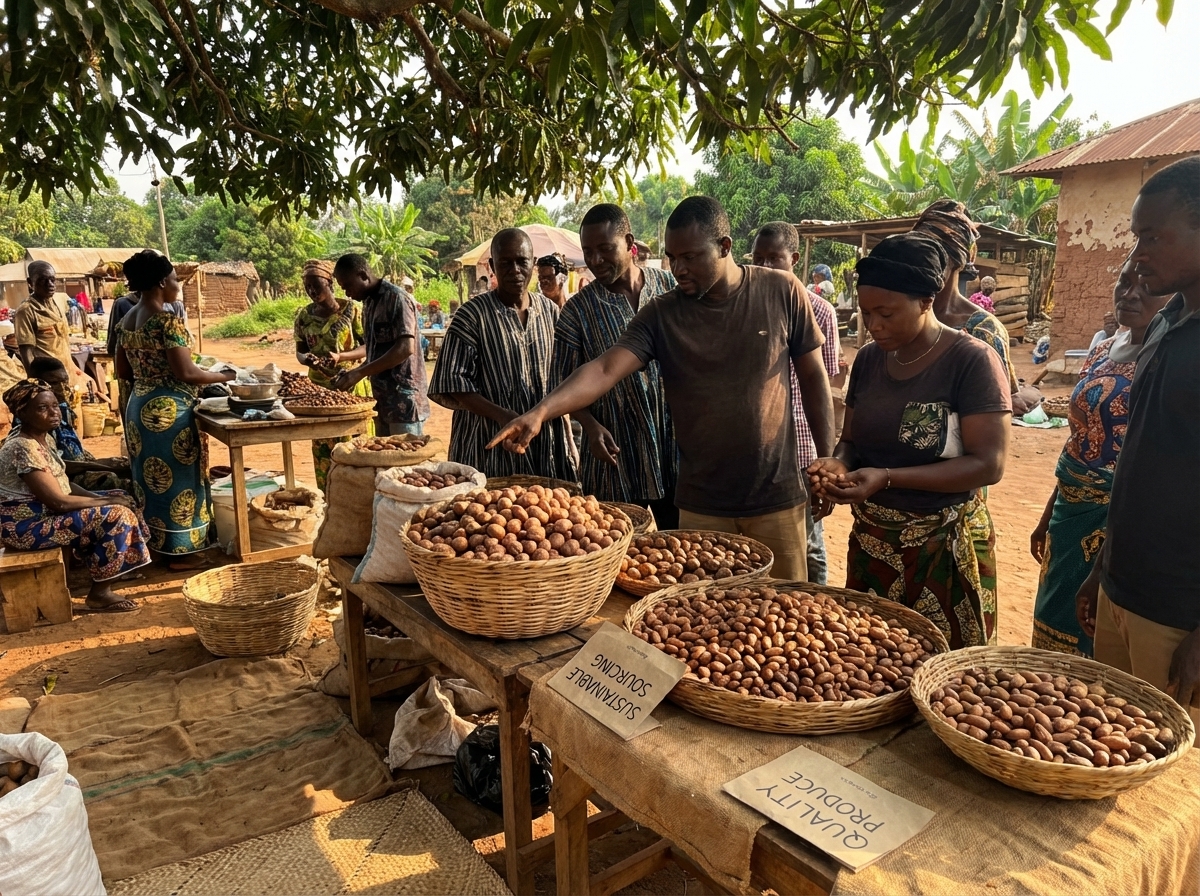
Understanding the need for sustainable sourcing is crucial to maintaining the quality of African agricultural exports. It ensures product integrity and consistency, bolstering trust among international buyers.
Protecting Product Integrity
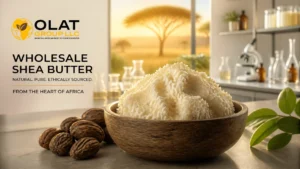
Sustainable sourcing begins with protecting the integrity of the product from the farm to the final market. This means careful handling and quality checks at every step. For instance, when sourcing shea butter, each nut is examined to ensure it meets quality standards. This meticulous process not only preserves the natural benefits but also enhances the product’s market value.
Think about bitter kola, known for its health benefits. When sourced sustainably, the bitter kola retains its unique properties, providing consumers with the authentic product they expect. This commitment to quality preservation is a cornerstone of sustainable practices, ensuring that what you receive is nothing short of excellence.
Consistency Through Ethical Practices
Ethical sourcing ensures that the quality of African exports remains consistent. With Olat Group, you can expect consistent quality, thanks to our adherence to ethical practices. We work closely with local farmers to ensure fair compensation and sustainable farming methods.
This approach creates a reliable supply chain, reducing fluctuations in product quality. For example, when sourcing kola nuts, ethical practices guarantee that each nut meets high standards. This consistency is vital for international buyers who rely on uniform quality for their products.
Traceability in Supply Chain
The ability to trace products from farm to market is a pivotal aspect of sustainable sourcing. It involves documenting each step, from planting to shipment. This transparency builds trust with buyers, ensuring they know exactly where their products come from.
Traceability is particularly important for products like dried hibiscus leaves, where quality can vary greatly. By tracking every stage of production, we ensure that the leaves retain their vibrant color and flavor, meeting international quality standards. This level of transparency reassures buyers of the product’s authenticity and quality.
Benefits of Sustainable Sourcing
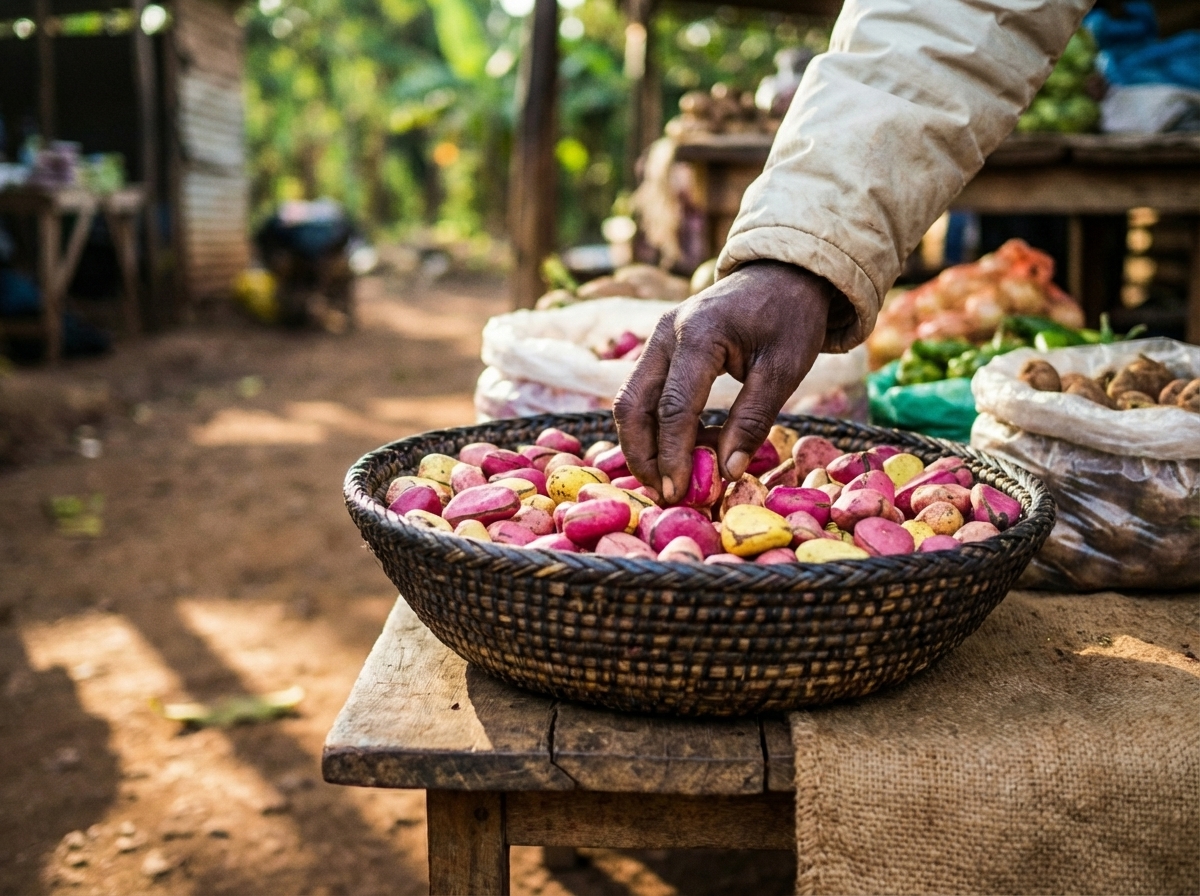
Sourcing sustainably brings numerous benefits, particularly in quality assurance and maintaining transparency from farm to market. These advantages are essential for anyone involved in African agricultural exports.
Quality Assurance in African Exports
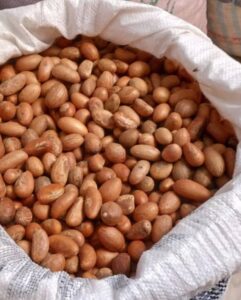
Quality assurance is a top priority when it comes to African exports. Sustainable sourcing ensures that every product, whether it’s raw cashew nuts or shea butter, meets rigorous quality standards. This process involves thorough inspections and careful selection of each batch.
For instance, the aflatoxin testing process is crucial for products like cashews. By testing each batch, we ensure the nuts are safe and of premium quality. This level of assurance not only protects consumers but also strengthens the reputation of African exports in global markets.
Preserving Farm-to-Market Transparency
Transparency from farm to market is vital to maintaining trust and ensuring quality. Sustainable sourcing processes allow buyers to trace the journey of their products. This transparency is critical for kola nut suppliers, ensuring that every nut is sourced ethically and sustainably.
Buyers can rest assured that products like organic and non-GMO items have been handled with care and integrity. By maintaining open communication and providing detailed product histories, we build confidence among international buyers, reinforcing the value of African produce.
Aflatoxin Testing and Moisture Control
Ensuring the safety and quality of exports requires robust testing and control measures. Aflatoxin testing is a standard procedure for many African agricultural products, including cashews. This testing identifies and eliminates potential toxins, preserving product safety.
Moisture control is another critical factor, particularly in products like cashews. Proper moisture control techniques prevent spoilage and maintain quality throughout the supply chain. By implementing these practices, we guarantee that our products meet export quality standards, providing peace of mind to buyers.
Olat Group’s Commitment
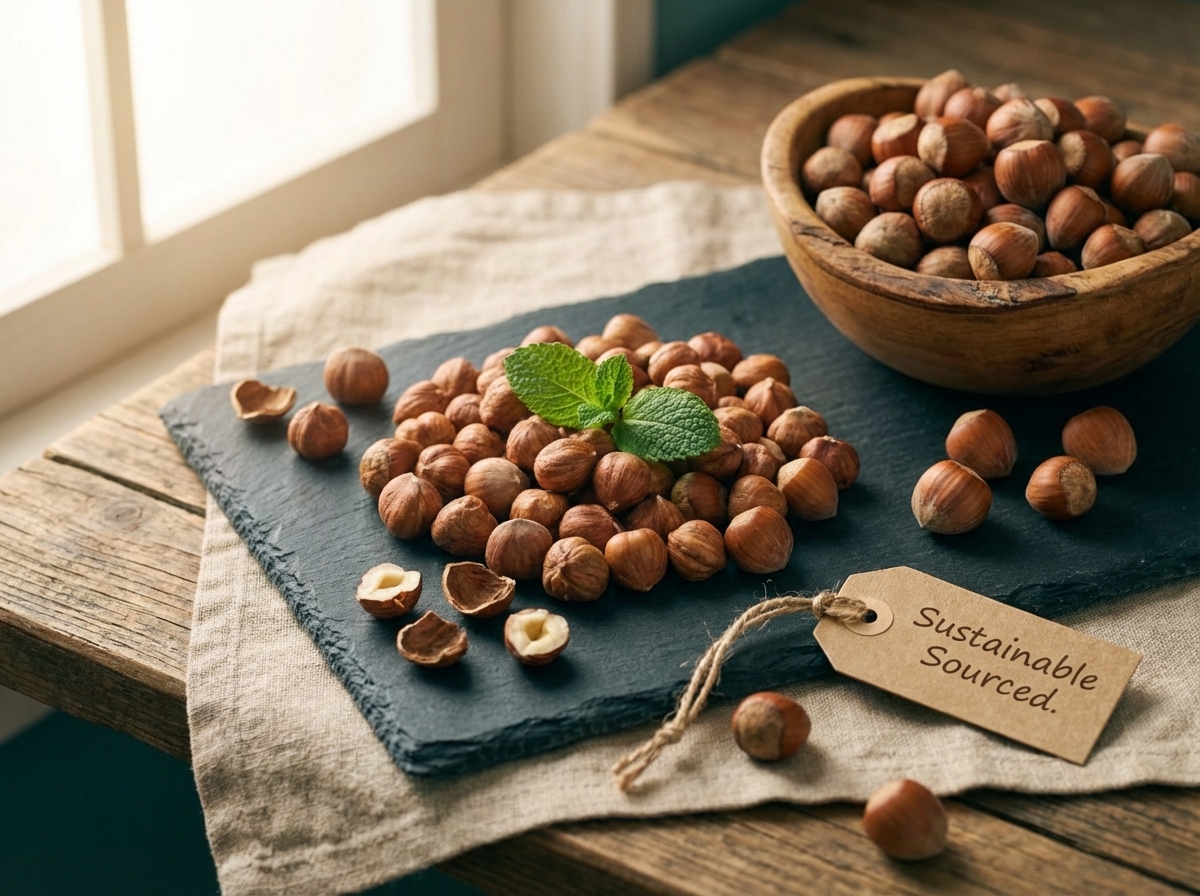
At Olat Group, our commitment to sustainable sourcing goes beyond just ensuring quality. We focus on building strong partnerships and maintaining high standards in all aspects of our operations.
Partnering with African Farmers
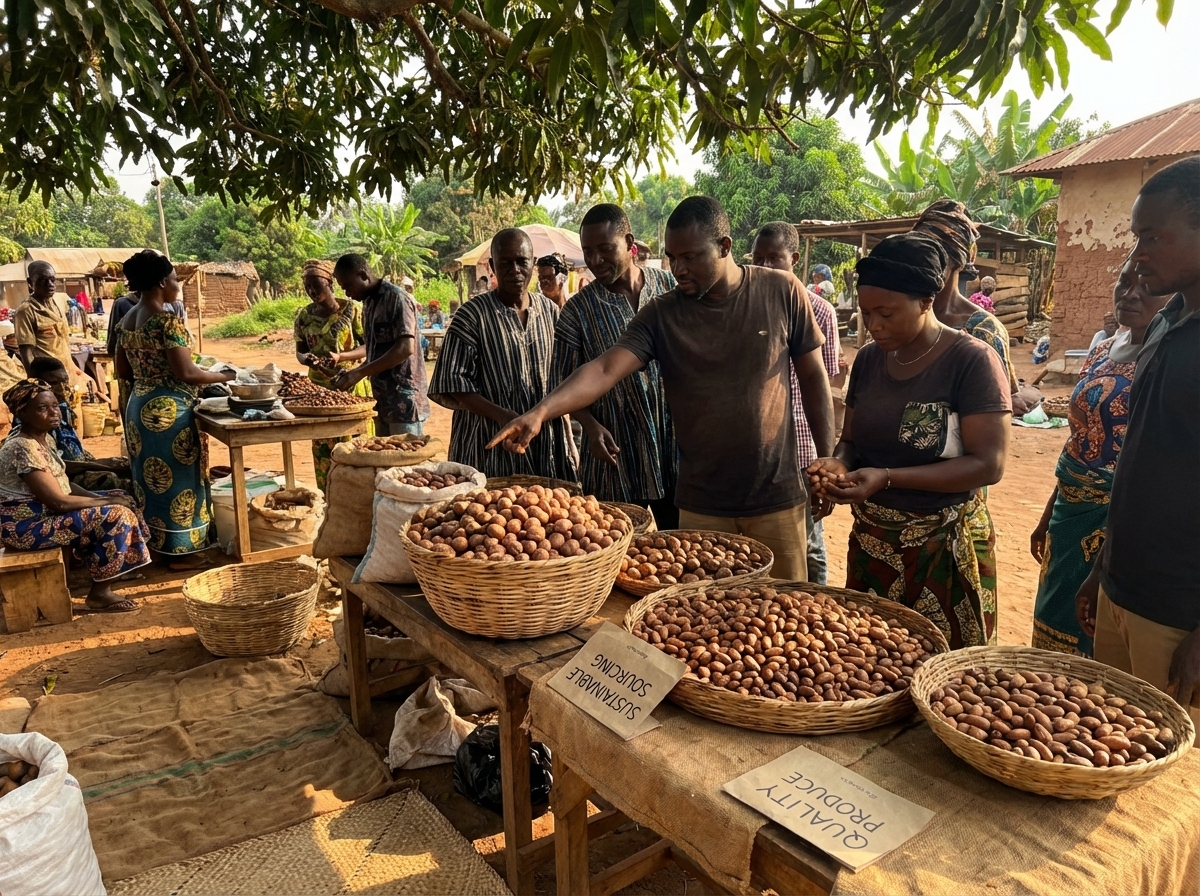
Collaboration with local farmers is at the heart of our sustainable sourcing strategy. We believe in empowering farmers by providing fair compensation and supporting sustainable farming techniques. This partnership benefits both the community and the quality of the products.
By working together, we enhance the quality of exports, ensuring that products like shea butter and kola nuts meet international standards. This partnership strengthens local economies and ensures the sustainability of African agriculture.
Rigorous Shea Butter Sourcing
Our approach to sourcing shea butter is meticulous. We focus on selecting the best nuts, ensuring they are harvested and processed under strict conditions. This careful sourcing guarantees that our shea butter retains its nourishing properties, making it ideal for cosmetic and food industries.
By maintaining rigorous sourcing standards, we ensure that our shea butter is of the highest quality, meeting both local and international demands. This commitment to quality and sustainability is what sets Olat Group apart as a trusted supplier.
Ensuring Export Quality Standards
Ensuring that all our products meet export quality standards is paramount. We have stringent processes in place to inspect and verify every batch before it leaves our facilities. This attention to detail is crucial for products like dried hibiscus leaves and raw cashew nuts.
Our dedication to upholding these standards guarantees that every shipment is safe, fresh, and of premium quality. By consistently delivering products that meet or exceed expectations, Olat Group maintains its reputation as a leader in African agricultural exports.