
Your Buyer’s Guide to Reliable African Produce Exports and Quality Assurance
Many buyers struggle to confirm if their African produce exports meet strict quality standards and ethical sourcing demands. You want premium African agricultural products that come with clear proof of sustainable sourcing and fair trade agriculture. This guide walks you through supplier verification, export documentation Africa, and quality assurance for exporters to help you source with confidence. Partner with Olat Group LLC and discover trusted, traceable products that honor Africa’s rich heritage. For more insights, check out this complete buying guide.
Verifying Supplier Reliability

When sourcing African produce, verifying supplier reliability is key. This ensures you get high-quality products and build long-lasting partnerships. Let’s explore the steps to confirm you’re working with the best.
Key Supplier Verification Steps
Start by checking the supplier’s credentials. Look for certifications from recognized bodies. This shows they meet international standards. Also, visit their facilities if possible. This gives you a firsthand view of their operations. Another crucial step is to ask for references. Speak to other buyers who have worked with them. This can reveal any past issues or highlight their strengths. Finally, consider using third-party verification services. These companies can confirm the supplier’s claims, saving you time and effort.
Building Trust with African Suppliers
Building trust is essential in any business relationship. When working with African suppliers, communication is key. Be open and clear about your needs and expectations. This helps avoid misunderstandings. It’s also important to show respect for their cultural practices. This can go a long way in building a solid relationship. Investing time in understanding their business and how they operate can make a huge difference. Finally, consider building a long-term partnership. This creates stability for both parties and can lead to better pricing and terms.
Ensuring Product Quality
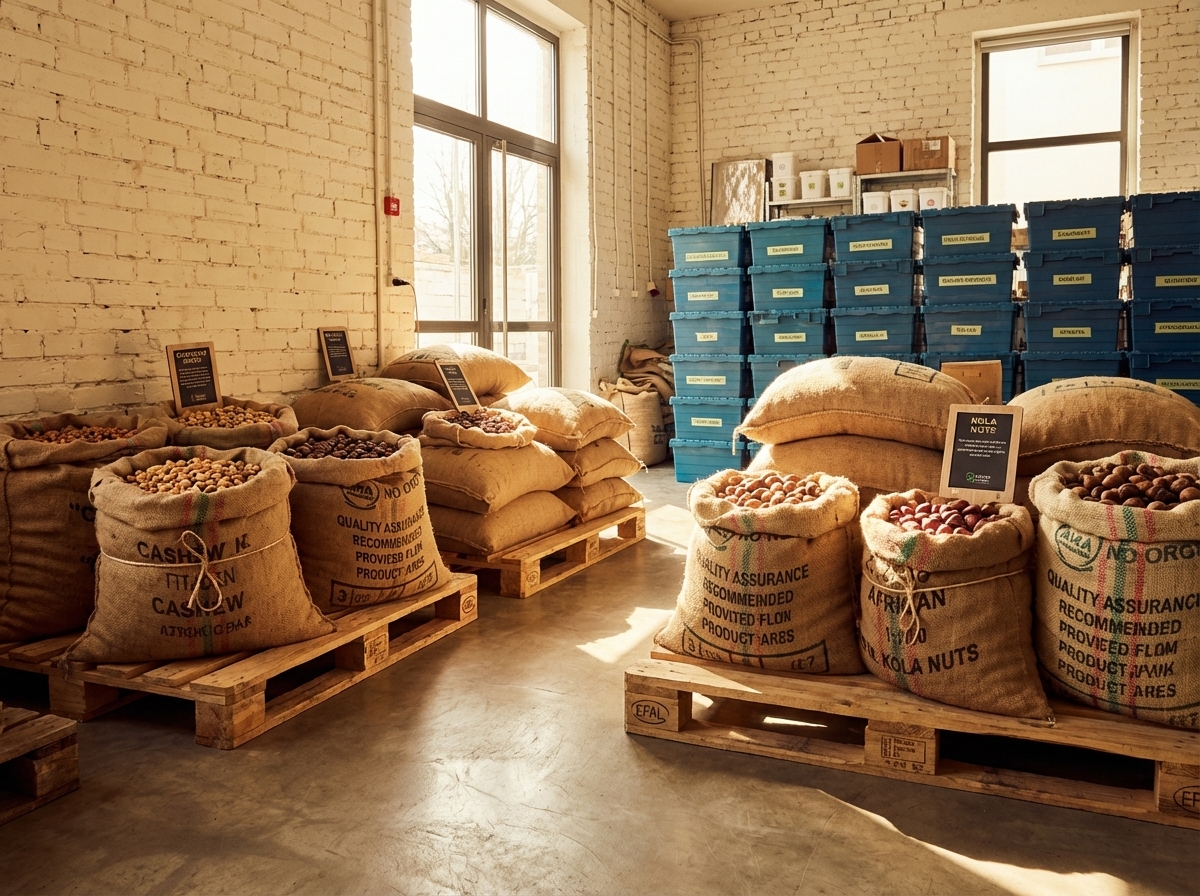
Once you’ve verified your suppliers, focus shifts to product quality. High-quality products meet customer expectations and uphold your brand’s reputation.
Importance of Quality Assurance for Exporters
Quality assurance is not just a box to tick. It’s a commitment to delivering the best. When exporting African produce, rigorous quality checks are crucial. These checks ensure your products meet international standards. Consistent quality builds trust with your customers. They know they can rely on you for top-notch products. Moreover, meeting quality standards can open doors to more lucrative markets. Many buyers look for products that carry quality certifications. Investing in quality assurance can set you apart from competitors.
Third-Party Lab Testing and Certificates
For added assurance, consider third-party lab testing. These labs provide unbiased results. They check for contaminants, ensuring your products are safe. Lab tests can also verify the nutritional content of your produce. This is important for health-conscious buyers. Certificates from recognized labs add credibility to your products. They show you’ve gone the extra mile to ensure quality. This can be a powerful selling point, especially in competitive markets. For more on ensuring quality, check this guide to African imports.
Sustainable and Fair Trade Sourcing
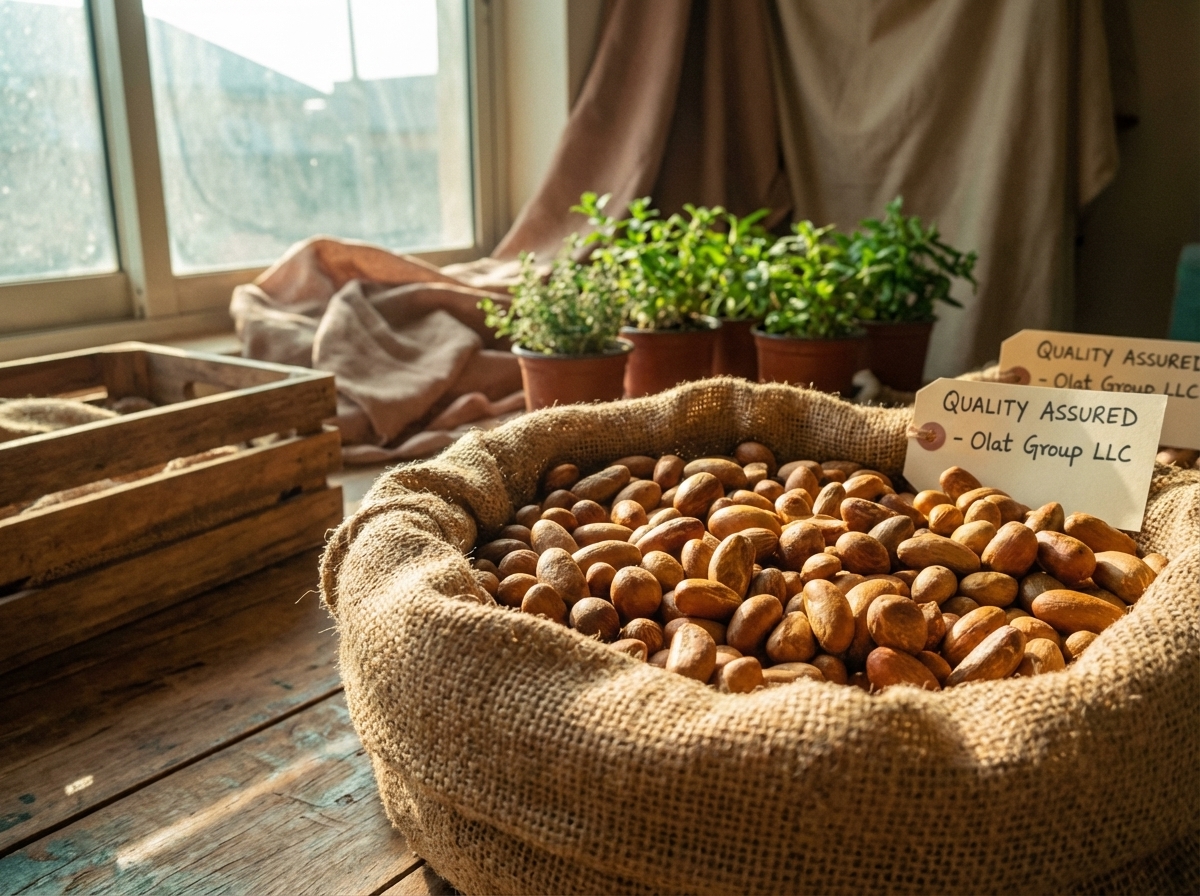
Sustainability and fair trade are more than buzzwords. They reflect a commitment to ethical practices and environmental responsibility.
Benefits of Sustainable Sourcing Africa
Sustainable sourcing benefits everyone. It ensures resources are available for future generations. For businesses, it means stability and long-term viability. Sourcing sustainably can also boost your brand’s image. Consumers are increasingly choosing products that are eco-friendly. By committing to sustainable practices, you attract these discerning buyers. It also strengthens your relationship with suppliers. They benefit from fair prices and consistent demand, leading to better quality produce.
Fair Trade Agriculture Practices and Impact
Fair trade practices have a profound impact on communities. They ensure farmers receive a fair price for their produce. This supports local economies and improves living standards. Fair trade also promotes better working conditions and sustainable farming practices. By choosing fair trade products, you contribute to positive change. It empowers farmers and helps preserve the environment. Your business benefits too. Consumers appreciate brands that prioritize ethical practices. This can lead to increased loyalty and sales. Learn more about fair trade in this Nigeria trading guide.
By following these steps, you’re not just importing products. You’re building a legacy of quality, sustainability, and trust. Join Olat Group LLC in making a meaningful impact.